Blue light blocking glasses are everywhere — in pharmacies, online, and recommended by influencers. But do they actually work? We look at the science, separate fact from marketing, and tell you what really matters for your digital eye health.
What Is Blue Light?
Blue light is part of the visible light spectrum — wavelengths between approximately 380–500 nanometres. It exists naturally in sunlight (in much larger quantities than any screen emits), and in artificial sources like LED bulbs, smartphone screens, tablets, and computer monitors.
Not all blue light is harmful. In fact, blue light during the day helps regulate our circadian rhythm (sleep-wake cycle), boosts alertness, and supports mood. It's the blue light exposure at night that causes the most documented concern.
The Claims Made by Blue Light Glasses
Blue light glasses are marketed with several claims:
- Reduce digital eye strain and fatigue
- Improve sleep quality
- Prevent long-term eye damage from screens
- Reduce headaches associated with screen use
What the Research Actually Says
On Eye Strain: Mixed Evidence
The American Academy of Ophthalmology does not currently recommend blue light glasses for reducing digital eye strain. Multiple randomised controlled trials have found no significant difference in eye fatigue between people wearing blue light glasses and those wearing regular lenses after screen use.
The real cause of digital eye strain is not blue light — it's reduced blinking. We blink approximately 15–20 times per minute normally, but only 5–7 times per minute when staring at screens. This causes dry eyes, irritation, and fatigue.
On Sleep: Stronger Evidence
Here the evidence is clearer. Blue light suppresses the production of melatonin — the hormone that signals it's time to sleep. Using screens in the 2–3 hours before bed can delay sleep onset and reduce sleep quality. Blue light glasses worn in the evening may help mitigate this effect.
On Long-term Eye Damage: No Evidence of Harm
The levels of blue light emitted by screens are far below the threshold that would cause retinal damage. You would need to stare at a screen of extraordinary brightness for an extraordinary amount of time to cause measurable harm. Current screen technology simply doesn't emit enough blue light to damage eyes.
What Actually Helps Digital Eye Strain
If screens are causing you discomfort, here are evidence-backed strategies that genuinely help:
The 20-20-20 Rule
Every 20 minutes, look at something 20 feet away for 20 seconds. This relaxes the focusing muscles in your eyes and dramatically reduces fatigue.
Blink More Consciously
Set a reminder to blink. It sounds trivial but makes a significant difference in comfort, especially in air-conditioned environments.
Adjust Your Screen Settings
- Reduce screen brightness to match your environment
- Enable "Night Mode" or "Warm Light" on your devices in the evening
- Position your screen at arm's length and slightly below eye level
Get a Proper Glasses Prescription
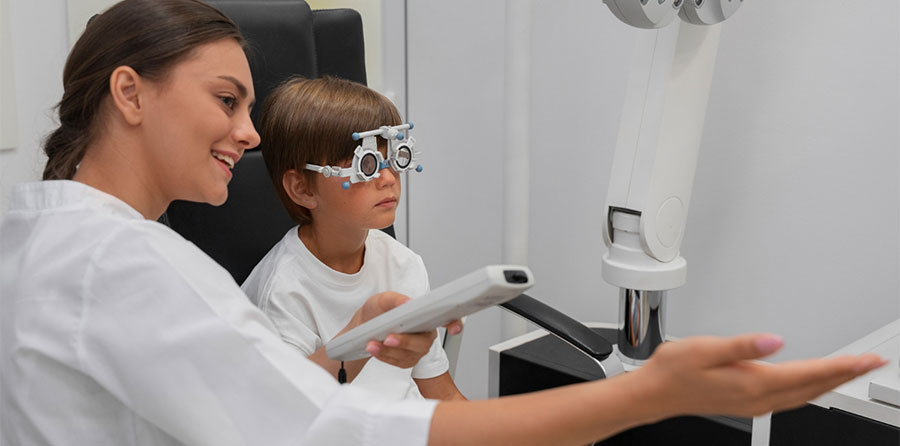
Many people experiencing "screen fatigue" actually have an uncorrected refractive error — slight long-sightedness or astigmatism — that causes their eyes to work harder to focus on screens. A proper eye test will identify this.
Should You Buy Blue Light Glasses?
The honest answer: if you're using screens heavily in the 2–3 hours before bed and are concerned about sleep quality, they may offer a modest benefit. For daytime eye strain, they're unlikely to make a significant difference.
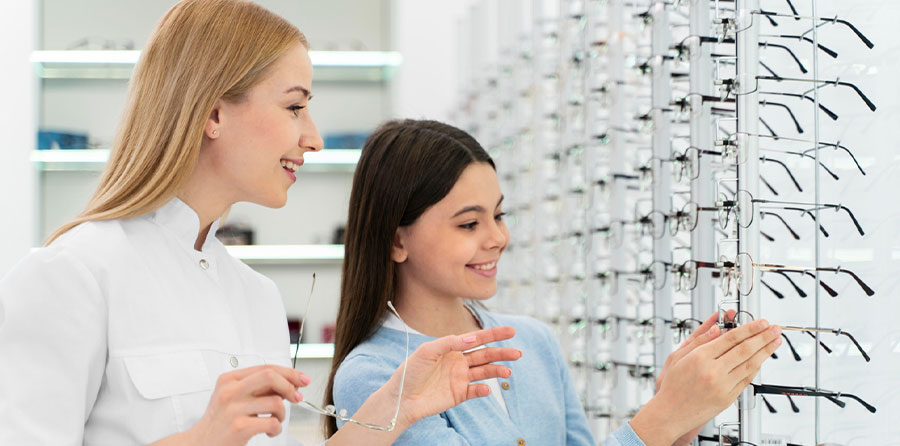
If you're going to buy them, make sure they also address your refractive needs — a pair of blue light glasses with an accurate prescription is far more valuable than plain blue light glasses.
"The best blue light filter is a good sleep routine and the 20-20-20 rule. But if you're sitting at a screen all day, a proper prescription should be your first priority."
— Dr. Priya Sharma, Spectica Optometrist
Book a free eye test at Spectica. We'll check your prescription, assess your visual needs for screen work, and recommend the right solution for you. Book now →
Share this article
Have Questions About Your Eye Health?
Book a free eye test with our certified optometrists at Spectica.
Book Free Eye Test